Jim Squire RP | 20+ Years Clinical Experience | CRPO Registered
What Happened in Childhood Doesn't Stay in Childhood
Specialized trauma therapy for adults, delivered virtually across Ontario
You Might Not Have Called It Trauma But Something
Has Always Felt Off
Maybe you've always been anxious without quite knowing why. You overreact to things and then feel ashamed about it.
Relationships feel harder than they should. You work hard, keep busy, stay in control but underneath there's a quiet exhaustion that never really lifts.
You might struggle to trust people, even the ones who've given you no reason not to. You might shut down when things get emotional, or feel things so intensely it frightens you. Some memories feel far away. Others feel closer than they should.
You've probably wondered if this is just who you are.
It isn't. These are patterns and patterns have origins. For many adults, they trace back further than they'd expect.
Is Any of This You?
A 3-Minute Self-Assessment for What You've Been Carrying
Many people who benefit most from therapy never thought they needed it.
The people who say "this probably doesn't apply to me" are often the ones it applies to most.
High-functioning adults are the least likely to seek support — and often the ones who need it most.
You're Not Broken. You're Responding to What Happened.
The ways you've learned to cope, staying guarded, keeping busy, shutting down, staying small made sense once. They were adaptations. Ways of getting through something that was too much for a child to process alone.
The problem isn't that something is wrong with you. The problem is that those same adaptations are still running, long after the circumstances that created them have passed. Your nervous system learned to protect you. It just never got the signal that it was safe to stop.
That's not a character flaw. That's not weakness. That's what unresolved childhood trauma looks like in an adult body and it's more common than most people realize.
The fact that you're here, reading this, suggests some part of you already knows something needs to change. That part is worth listening to.
Therapy That Goes Back So You Can Move Forward
Most of us spend years managing the symptoms the anxiety, the relationships that don't quite work, the exhaustion we can't explain. Therapy with me is about going underneath those symptoms to understand where they came from and what they're still trying to do for you.
This work is paced and collaborative. Nothing gets forced. You don't have to have everything figured out before you begin — most people don't. What matters is that you feel safe enough to start, and that we build from there.
One approach I draw on is called Internal Family Systems (IFS). It's based on the idea that we all carry different parts of ourselves , the part that shuts down, the part that's always on guard, the part that never feels good enough. These parts often developed in childhood for good reason. Therapy helps you understand them, and work with them, rather than fight them.
You Deserve Someone Who Understands This Work
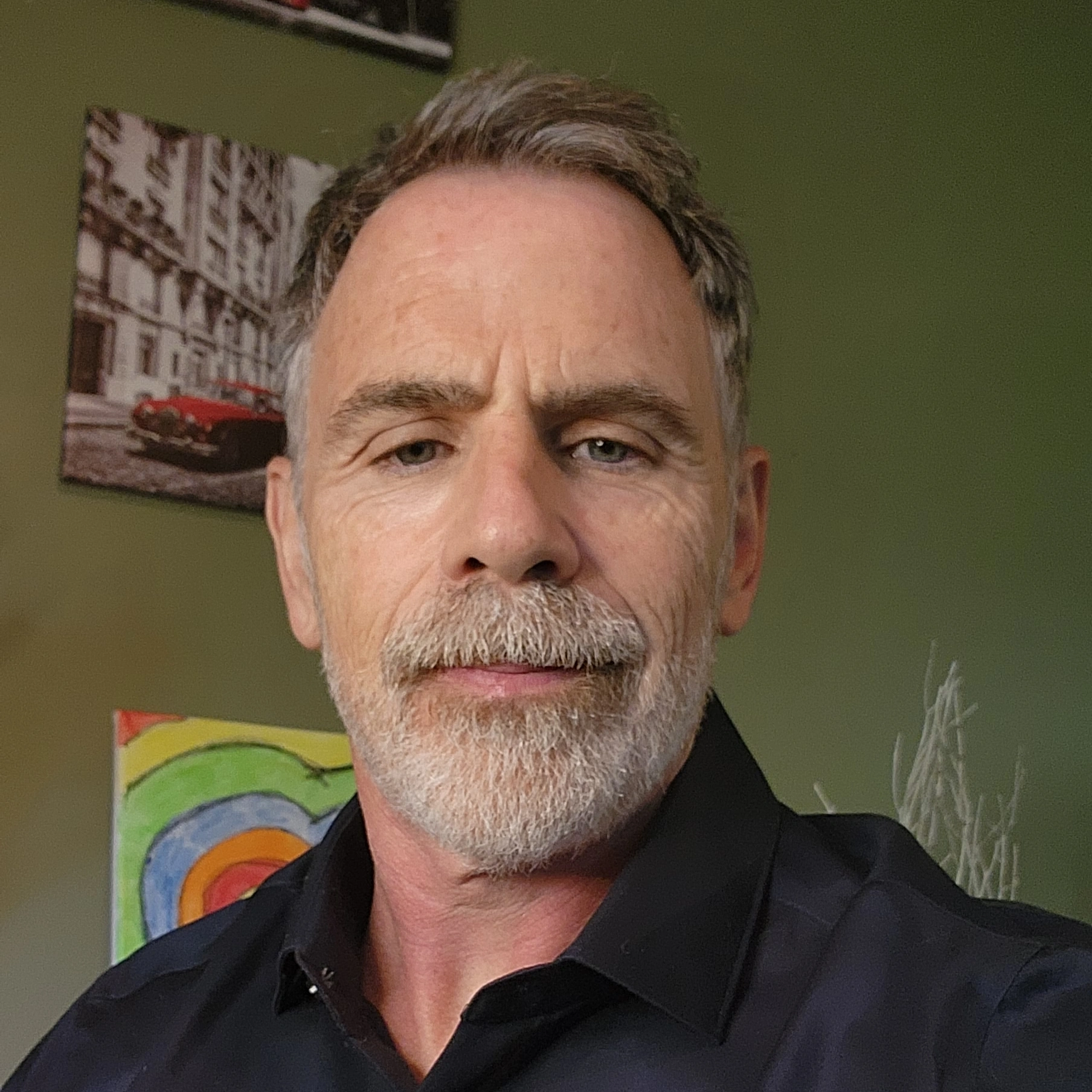
Meet Jim
I'm Jim Squire, a Registered Psychotherapist and Certified Clinical Trauma Therapist based in Toronto. I've spent over 20 years working specifically with adults navigating the long reach of childhood trauma , the patterns that persist, the emotions that feel out of reach, the quiet sense that something from the past is still running the present. I have extensive training in attachment based trauma approaches, Internal Family Systems and EFT.
This work is personal to me as well as professional. I bring both clinical training and genuine care to every session. My practice is regulated by the College of Registered Psychotherapists of Ontario (CRPO), and I work exclusively with adults who are ready or almost ready to begin.
If you've been wondering whether therapy could help, that wondering is worth exploring.
Frequently Asked Questions
Do I have to have had a terrible childhood for this to apply to me?
No. This is one of the most common reasons people hesitate to seek support — the sense that what they experienced wasn't bad enough to count. But trauma isn't measured by severity on an external scale. It's measured by what your nervous system had to absorb at a time when you didn't have the resources to process it. Emotional neglect, an unpredictable home environment, a parent who was physically present but emotionally unavailable — these experiences leave real marks, even when they don't look dramatic from the outside. If something from your early life is still shaping how you feel, relate, and move through the world, that's worth exploring.
I've tried therapy before and it didn't help... how is this different?
That's a fair and important question, and I hear it often. Not all therapy is designed to work with trauma at its roots. Many people have had experiences with approaches that focused on managing symptoms without ever getting underneath them. Trauma-informed therapy is specifically designed to understand and address the origins of those patterns — not just the surface. If previous therapy felt like you were talking in circles without anything really shifting, that experience makes sense. This work goes deeper, and it moves at a pace that your nervous system can actually tolerate.
How long does trauma therapy usually take?
There's no single honest answer to this, and anyone who gives you a precise number without knowing your history isn't being straight with you. Some people experience meaningful shifts within a few months. Others find that deeper patterns take longer to work through. What I can tell you is that this isn't open-ended work without direction — we'll have a shared sense of what we're working toward, and we'll revisit that regularly. The goal is always progress, not dependency.
Is virtual therapy as effective as in-person?
For most people working through trauma, yes. The research supports it, and in some ways virtual therapy offers advantages — you're in your own environment, which can feel safer and more grounding than an unfamiliar office. Many clients find they're able to go deeper precisely because they're at home. Sessions are conducted over a secure, confidential platform, and the quality of the therapeutic relationship — which is what the research consistently shows matters most — is fully present whether we're in the same room or not.
How do I know if you're the right therapist for me?
Honestly, you may not know until we speak. That's exactly what the free 15-minute consultation is for. There's no commitment, no expectation, and no pressure to continue if it doesn't feel right. A good therapeutic relationship is built on trust and fit — and fit goes both ways. If after our conversation you feel like this isn't the right match, I'll do my best to point you toward someone who might be. The most important thing is that you find the support that's right for you.
Get In Touch
Start The Healing Journey
Copyrights 2026 | Jim Squire and Associates Psychotherapy | Privacy Policy